
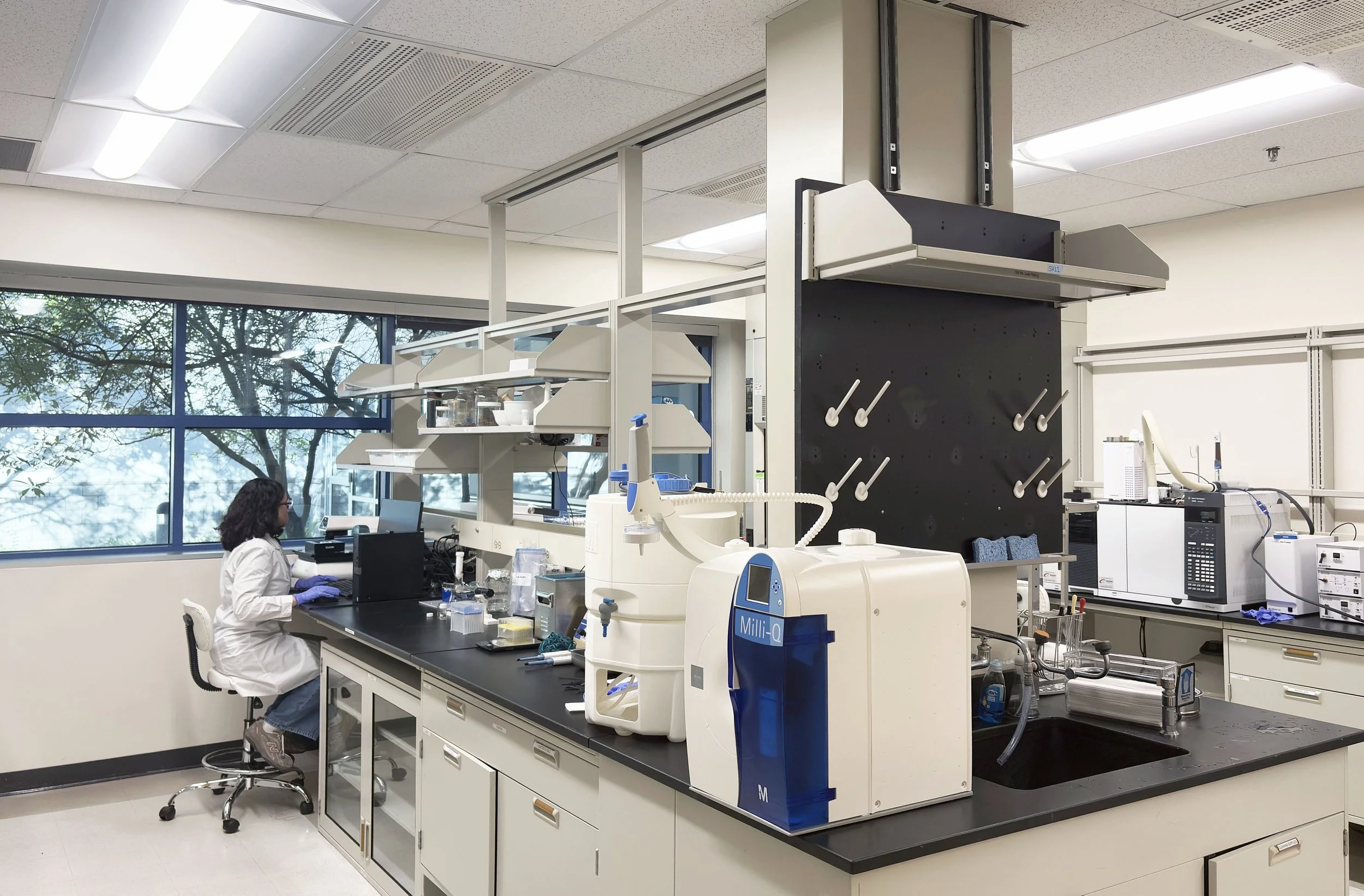
Microplastic Laboratory Analysis
Discover how our testing solutions help quantify and classify microplastic levels in various water sources, from domestic water, natural water, to industrial wastewater.
PolyGone’s microplastic testing services are open to everyone. Whether you’re conducting academic research, managing industrial operations, or simply curious about the microplastic content in your tap water, we’re here to provide reliable and accurate results tailored to your needs.

FAQs
-
Microplastics are pieces of plastic less than 5 millimeters long, too small to easily remove from the environment. They come from various sources, including microbeads from cosmetics, microfibers from synthetic clothing, tire fragments, and nurdles, tiny plastic pellets created to make larger plastic items. As microplastics do not degrade in nature, they persist in the environment, contaminate our food chains, and are now found almost everywhere on the planet.
-
Researchers have identified microplastics in over 90% of the world's water. The source of aquatic microplastic pollution can vary dramatically, from tire debris on roads, fiber sheddings in laundry, fragmentation of plastic litter, to runoff from industrial and agricultural sites. Once in our waterways, these contaminants move through rivers, groundwater, and treatment systems largely unfiltered, since most water infrastructure wasn't designed to deal with minute plastics.
-
Microplastics are known to accumulate in bodily tissues, including the brain, lungs, bloodstream, and reproductive organs. Once in our bodies, microplastics can potentially leach carcinogenic, neurotoxic, and endocrine-disrupting additives. A single bottle of water can contain up to 240,000 detectable plastic particles, about 90% of them nanoplastics (Qian et al., 2024), and humans ingest tens of thousands to over 100,000 microplastics every year from food and water combined (Cox et al., 2019). Water testing can show us exactly how much microplastic we're exposed to, and identify key sources of emissions so that the public, companies, and utilities can implement targeted treatment solutions.
-
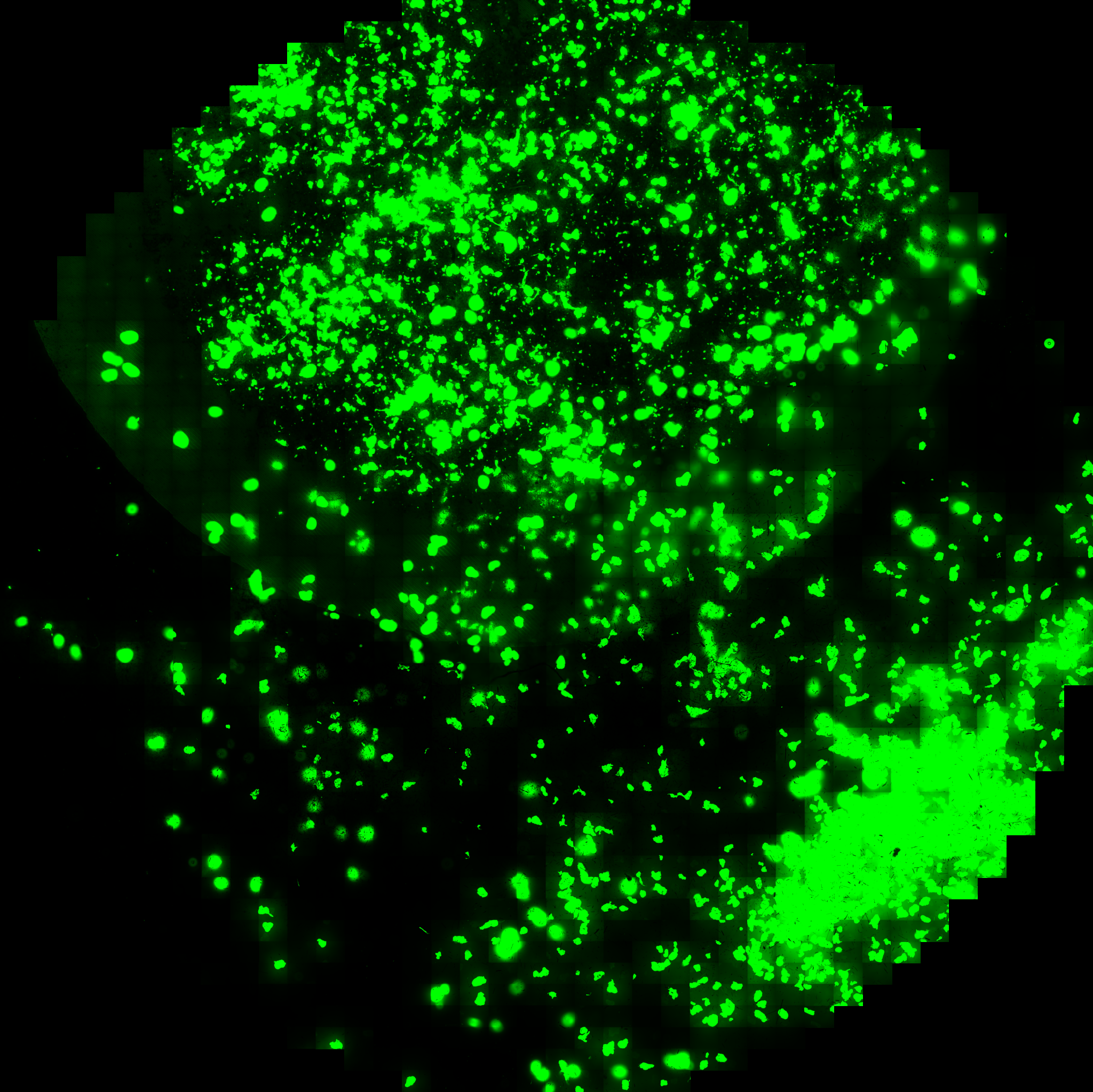
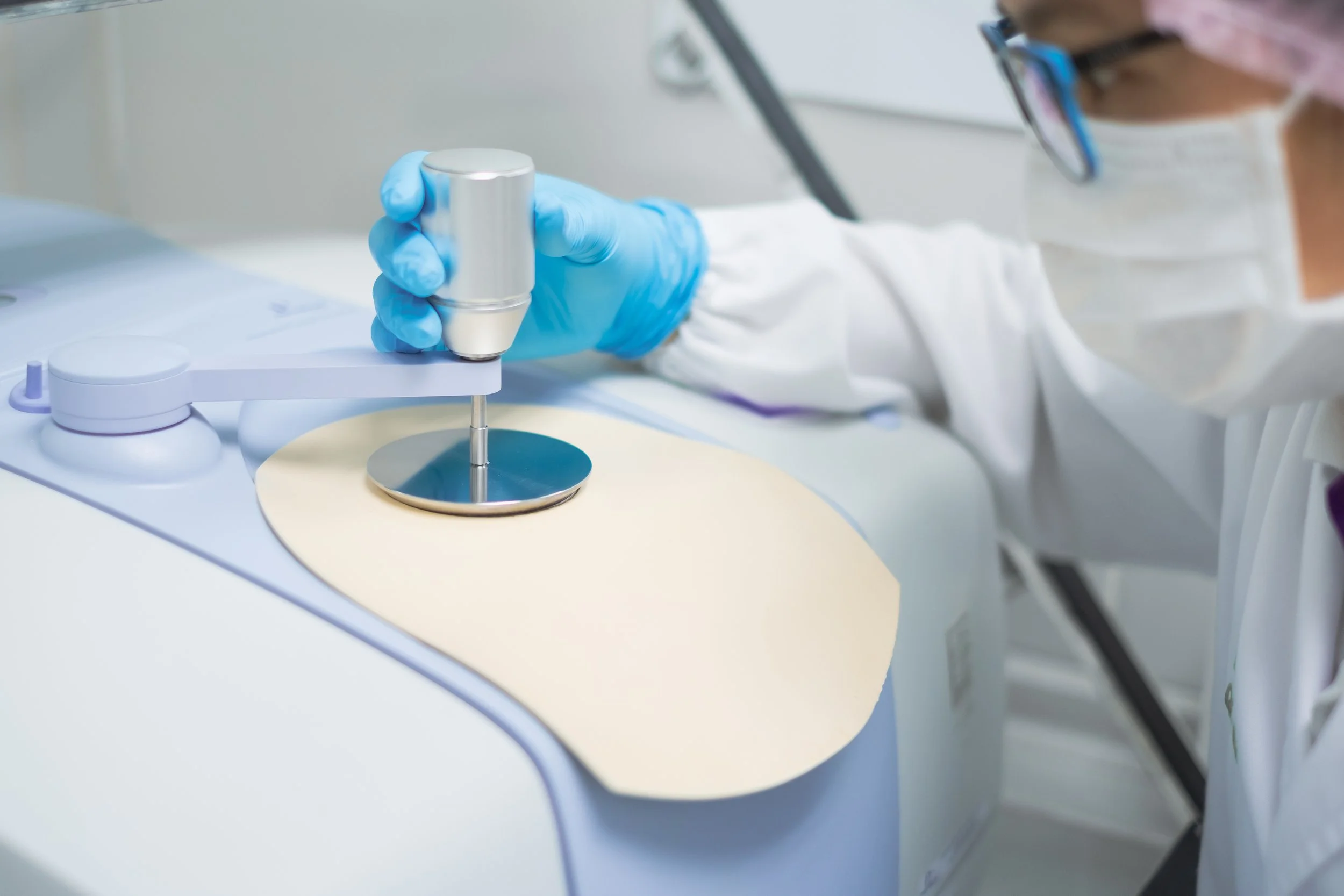
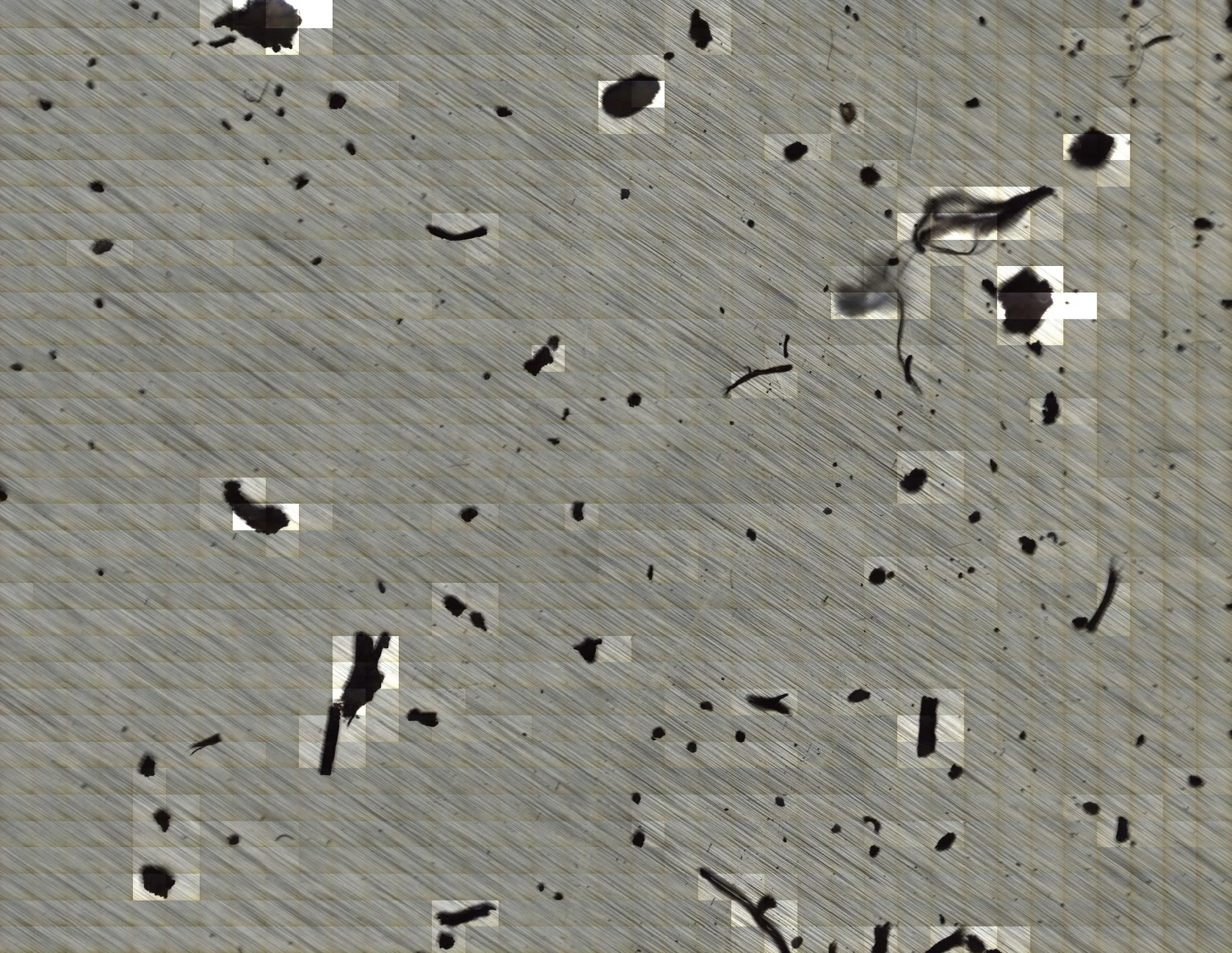
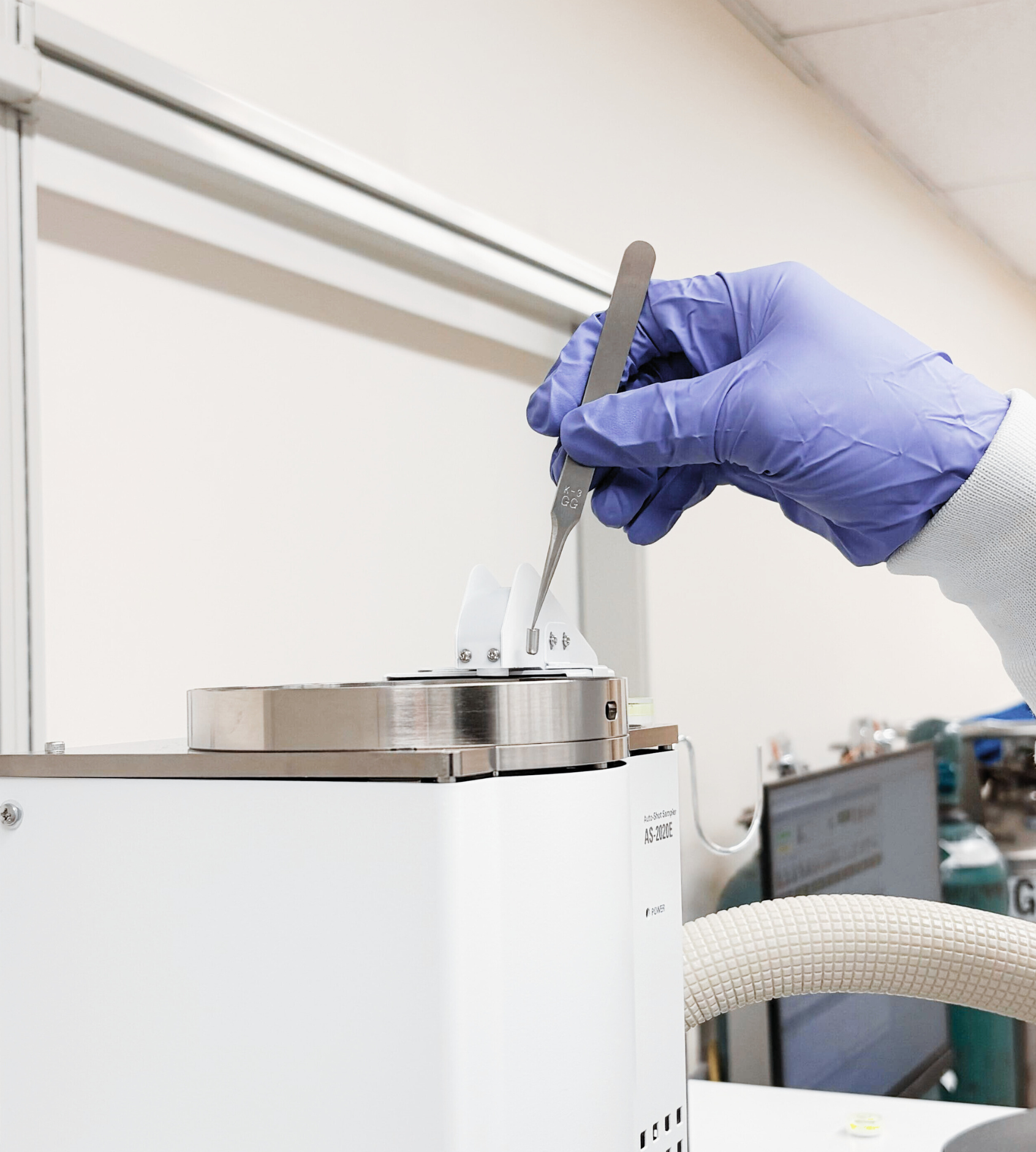
There are three mainstream methods for microplastic water analysis: fluorescence microscopy provides basic microplastic quantification by count; FTIR enables both identification of polymer types and quantification by count; Pyrolysis GC-MS is a high-precision method capable of analyzing both microplastics and larger nanoplastics, providing chemical identification and quantification by mass.
-
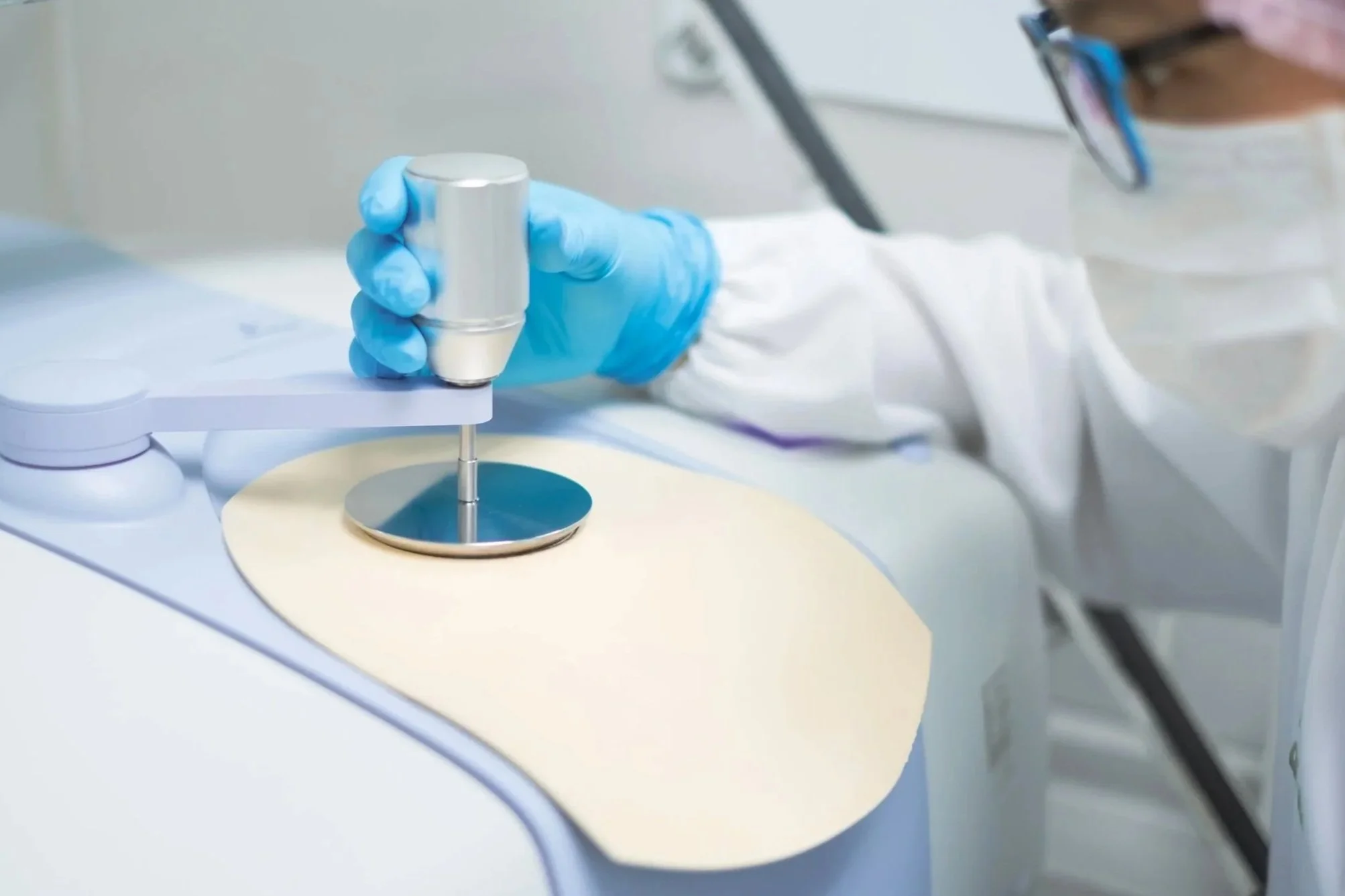
We adhere to established protocols at every step, from sample collection to processing and detection. Samples are collected in plastic-free kits, then go through oxidative digestion, cellulose digestion, and density separation to remove interfering material. Detection uses plastic-free glass fiber filters, and all lab personnel are prohibited from using plastic gloves or clothing items during sample analysis to minimize any risk of sample contamination. Our sample processing procedures strictly follow ASTM and ISO standards and peer-reviewed papers, keeping results reliable and comparable across labs.